

Bryce Dix
Morning Edition HostBryce Dix is KUNM's local Morning Edition host and reports on a multitude of climate and environmental issues in New Mexico and across the Southwest.
A born-and-raised Burqueño, Bryce Dix has lived in New Mexico his whole life. He's previously worked on a cannabis podcast with New Mexico PBS and served as interim news director at Santa Fe's KSFR radio station. Off the mic, you can find him trail running in the Bosque or hanging out with his Australian Shepherd, Silo.
-
Colorado River drought gets a lot of headlines, but the Rio Grande is having one of its driest years ever. What a recent surge of water for nature says about its future.
-
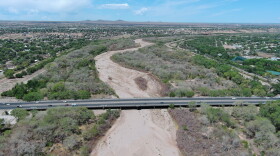 Researchers are scrambling to study the Rio Grande's response amid vegetation die-off in the beloved Bosque.
 -
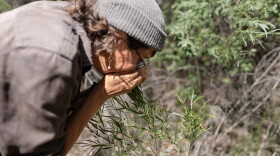 It’s no secret that a warming planet is harmful for biodiversity. But it’s also harming our sense of smell, which, in turn, affects our emotional and psychological well being.
 -
 A first-of-its-kind study published by the U.S. Fish and Wildlife Service has found the leading causes of death among Albuquerque’s urban raptor populations.
 -
 Ranchers face a multitude of challenges, and this year, the New World screwworm is one of them.
 -
 One change to the Endangered Species Act opens up New Mexico's forests to logging, mining, and other development activities.
 -
 For years, ranchers have butted heads with conservationists and the federal government – claiming that the endangered Mexican gray wolf is a serious threat to their local economies and public safety.
 -
 Ahead of the primary election, KUNM answers a listener question about the Commissioner of the New Mexico State Land Office and what it does.
 -
 Fire ecologists have made a surprisingly unintuitive discovery after analyzing 30 years of wildfire data, especially as the West grapples with profound drought and hotter weather.
 -
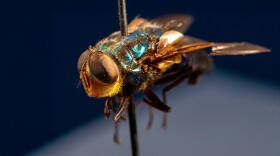 A notoriously destructive insect once eradicated from the United States is seeing a resurgence in Mexico – and ranchers are worried that it will soon cross the border to wreak havoc on their livestock.


